On the path of
Usui Sensei
Swiss International Reiki Congress
7-8 March 2026
Federico Scotti
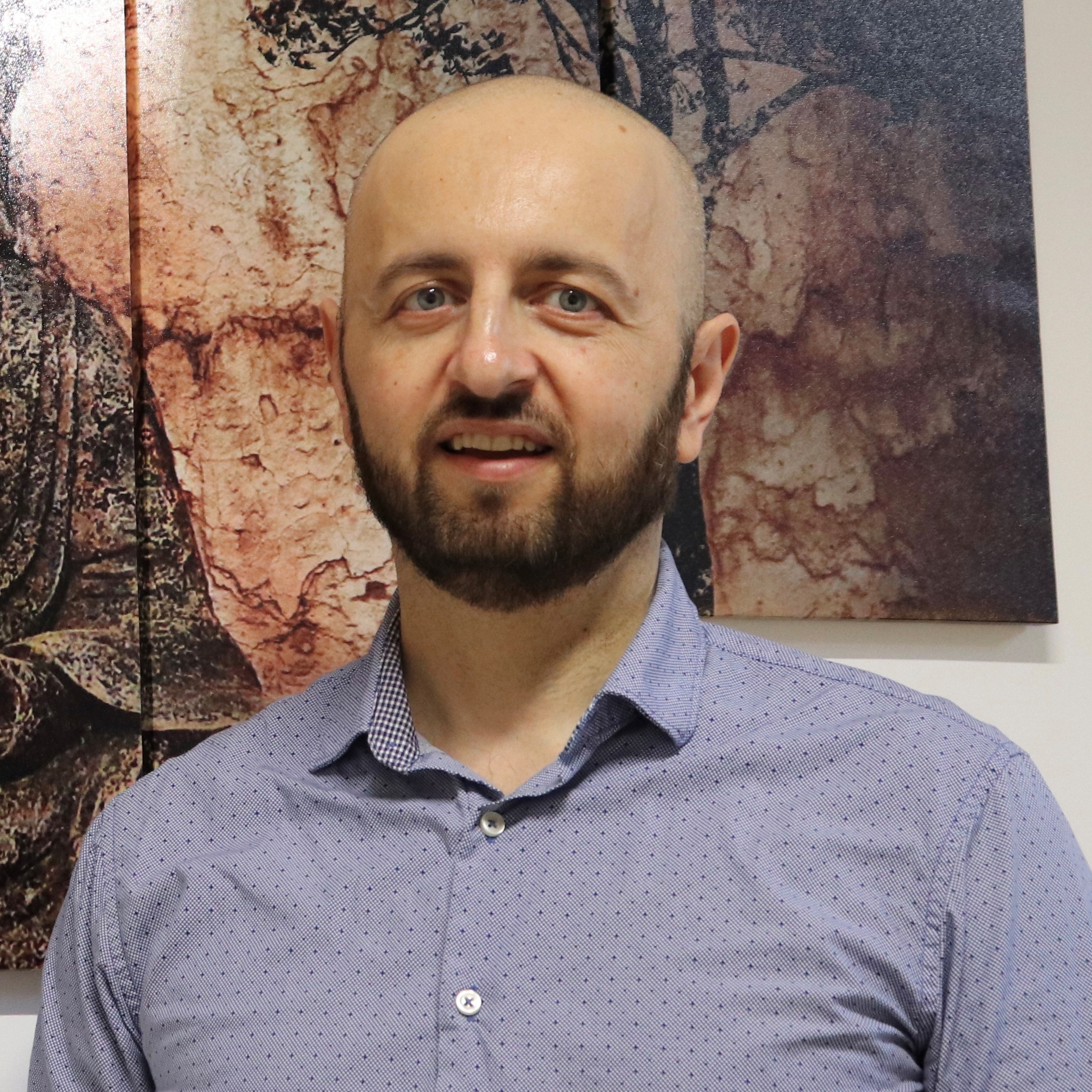
Federico Scotti is an independent anthropologist and Reiki teacher based in Milan, Italy. He holds a Master’s degree in Philosophy from the University of Milan and a Master’s degree in Medical Anthropology from Ca’ Foscari University of Venice. His research focuses on embodiment, therapeutic landscapes, and contemporary non-biomedical healing practices, with a theoretical approach grounded in cultural and decolonial studies. Founder of My Reiki, he guides annual Reiki Tours to Japan. His work bridges ethnographic inquiry with lived experience in holistic and energy-based healing traditions.
Title: “An Ethnography of Well-being on Mt. Kurama”
This presentation is based on ongoing ethnographic research within the Reiki Tour, an annual project that brings groups of Italian Reiki practitioners to Japan for a week-long journey through sacred landscapes associated with the origins of Reiki. The tour includes the participation of historian Justin B. Stein, who offers historical insights on the life and legacy of Usui Sensei. Led by the author in a tripartite role as anthropologist, guide and Reiki teacher, the tour unfolds as a deeply embodied and potentially transformative experience, centered on Mount Kurama – a site mythically associated with the foundational moment of Reiki practice.
The research investigates how participants construct, interpret and narrate their experience of wellbeing through bodily practices, shared rituals, and symbolic engagement with place. Drawing on the anthropology of wellbeing, phenomenology, and ritual studies, the analysis is guided by key questions:
What does wellbeing mean in the context of a spiritual journey?
How do bodily sensations – such as “energy,” “flow,” or “transformation”- emerge within specific social and discursive frames?
What role do pre-existing narratives about Reiki and Usui Sensei play in shaping expectations and perceptions?
How is authenticity produced and negotiated within a commodified context of spiritual tourism?
The presentation also considers how the Reiki Tour becomes a ritualised form of collective memory work, where the figure of Usui Sensei is not only commemorated but embodied and re-actualised in the present through narrative, landscape, and shared practice. In this sense, the tour does not simply recall Reiki’s origins – it performs and transforms them.
By approaching Reiki as a lived, relational and evolving practice, the talk addresses the congress theme – “Usui Sensei and Reiki’s contributions to civilisation, past, present and future” – by showing how memory, healing and transformation are co-produced in contemporary ritual forms. Reiki, in this ethnographic context, emerges as both a tradition in motion and a space for imagining futures of embodied spirituality and community care.