On the path of
Usui Sensei
Swiss International Reiki Congress
7-8 March 2026
Graziano Scarascia
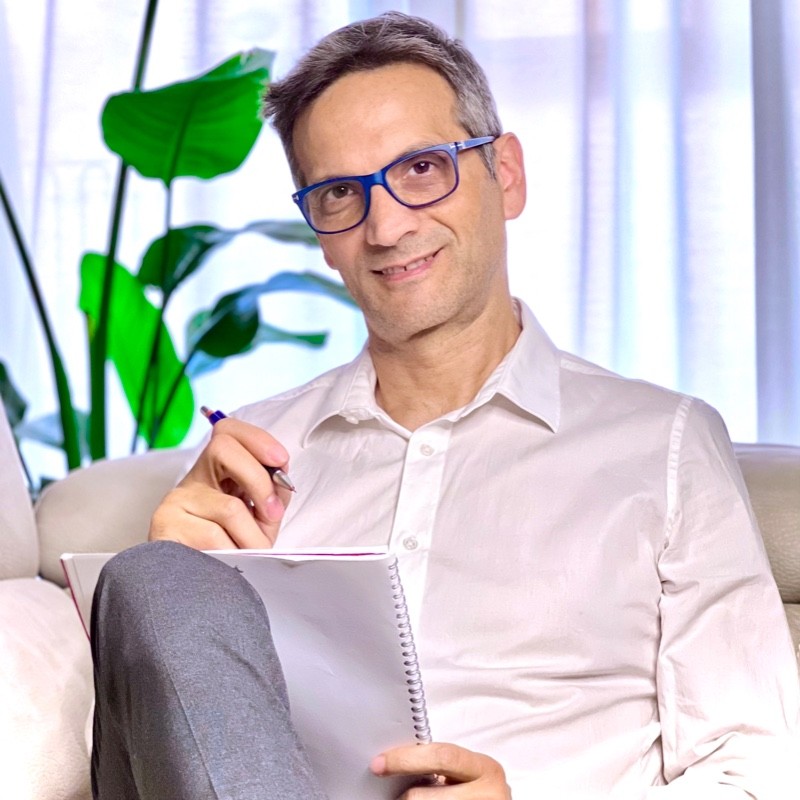
Graziano Scarascia is a clinical psychologist, Reiki Master and ECM-certified trainer working within hospitals and public health institutions (ASL) in Italy. Since 2021, he has been actively involved in introducing Reiki as a structured and pragmatic tool for healthcare professionals, aimed at reducing stress, enhancing self-awareness, and fostering relational presence in clinical environments. His teaching method blends Reiki with mindfulness-based practices and psychoeducational strategies, creating a bridge between traditional healing arts and contemporary evidence-informed approaches. This integration allows medical staff to experience Reiki not only as a technique, but as a pathway to personal and professional well-being.
In addition to his clinical and training work, Graziano is also a published researcher. His two scientific studies on Reiki—focusing on placebo-independent effects and the role of expectations in distance initiation—have been featured in Alternative Therapies in Health and Medicine. His contributions support a growing body of knowledge that positions Reiki as a meaningful complement to modern integrative healthcare.
Title: “Experiences of Reiki Training in a Clinical Setting“
This talk explores the application of Reiki in hospital settings as a practical and impactful method for stress reduction, emotional self-regulation and rehumanization of care. Based on his work with medical staff since 2021, Graziano Scarascia presents a model where Reiki is taught not as a mystical practice, but as a structured method of body-based awareness and self-care. By aligning the core principles of Reiki with well-established elements of mindfulness—such as the body scan and seated meditation—he offers a language and framework that is both accessible and evidence-aligned. For example, the Reiki self-treatment becomes a form of somatic mindfulness enhanced by intentional touch, while the Five Principles resonate with the ethical and attitudinal foundations of MBSR (Mindfulness-Based Stress Reduction).
In high-stress environments like hospitals, this pragmatic reframing allows staff to experience Reiki not only as stress relief but as a path to reconnect with their own humanity and with the patients they serve. Reiki thus becomes a bridge between clinical efficacy and compassionate presence, reminding healthcare workers that healing is not just procedural—it is relational, embodied, and deeply human.